

An AC condensate drain line carries away the water your air conditioner collects from indoor air. Look for the drain connection near the indoor evaporator coil or air handler, then trace the accessible drain piping toward its discharge point. When the line clogs, water can back up into the pan, leak around the equipment, or trigger an overflow safety switch.
This guide explains where to look, how to recognize a blockage, and which maintenance steps depend on your equipment. If water is actively overflowing, turn cooling off at the thermostat and arrange service. Keep clear of wet electrical equipment.
Where Is the AC Condensate Drain Line?
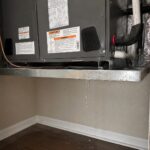
The drain starts at the pan beneath the indoor evaporator coil. That coil may be part of an air handler or installed with a furnace. The equipment may be in a closet, attic, garage, or another service area. The line is often PVC, but materials and routing vary.
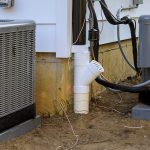
Follow only the piping you can safely see. A system may drain outdoors, to another approved drain location, or through a condensate pump. Some installations have a separate secondary drain or an auxiliary pan for overflow protection. Ask your technician which outlet is the normal drain and which is an overflow warning.
A cleanout or service access point may be near the indoor unit. Avoid removing equipment panels or assuming that every upright pipe is a cleanout. Traps, vents, and caps must match the equipment’s drainage design.
Moisture condenses on the cold coil during cooling.
The pan collects water beneath the coil.
Water travels away from the indoor equipment.
Discharge location depends on the installation.
Why Do AC Drain Lines Clog?
Dust and other particles can collect in the moisture draining from the coil. Sludge and biological growth can gradually restrict the pipe. A drainage problem may also involve a damaged pan, disconnected piping, an obstructed outlet, or an installation issue rather than a simple clog.
If the problem returns after cleaning, have the drainage arrangement checked. Repeatedly treating the same line may leave the underlying cause unresolved.
How Can You Recognize a Blockage?
- Standing water or an overflowing drain pan near the indoor unit.
- Puddles around the air handler or furnace during cooling.
- New water stains on a ceiling or floor below the equipment.
- Musty odors around the unit.
- Loss of cooling or a shutdown when an overflow safety switch operates.
These signs do not prove that the line is clogged. A frozen coil, damaged pan, or other fault can also cause leakage. Our guide to why an air conditioner leaks water explains other possible causes.
Carrier’s condensate drain maintenance guidance also identifies water, odors, and overflow-related shutdowns as warning signs and recommends professional help for a suspected blockage.
How Should You Maintain an AC Condensate Drain?
1. Identify Your System’s Approved Access Point
Use the equipment instructions and ask your technician to show you the drain pan, service access point, normal outlet, and any overflow outlet or switch. Leave concealed or difficult-to-reach components to a professional.
2. Watch for Water and Changes in Operation
During cooling season, look for unexpected water around accessible indoor equipment and note any shutdowns or new stains. Report where the water appears and when it occurs. Do not bypass an overflow switch to restore cooling.
3. Follow Equipment-Specific Cleaning Instructions
There is no single cleaning procedure for every drain layout. Before opening a service point or adding a cleaning product, confirm the method, product, amount, and power-off procedure specified for your system. Ask your technician to demonstrate any maintenance you can perform between visits.
A cleaner is not a substitute for clearing a blockage and confirming drainage. Do not mix cleaning chemicals, use household drain opener, force tools or pressure through unfamiliar piping, or change the caps and vents without equipment-specific instructions.
4. Include Drainage in Routine AC Maintenance
Maintain the correct air filter according to the equipment instructions and have the drain pan and accessible drainage components reviewed during maintenance. Confirm whether clearing or flushing is included in the appointment. See what professional AC maintenance includes for the wider inspection checklist.
What Can an HVAC Technician Check?
Depending on the installation and the problem, an inspection can include:
- Checking the pan and piping for cracks, corrosion, disconnections, or restrictions.
- Reviewing pipe slope, support, traps, vents, and the discharge arrangement.
- Checking a condensate pump or overflow protection where fitted.
- Clearing an obstruction using a method appropriate for the equipment.
- Testing drainage after the work and identifying any additional repairs.
When Should You Call for AC Drain Service?
Arrange professional help for active overflow, recurring clogs, water damage, inaccessible equipment, or a shutdown associated with water in the pan. If the AC is leaking or has stopped cooling, Derek Sawyer’s Cooling, Heating & Plumbing can inspect the cause. Visit our AC repair services in Modesto or call (209) 266-8682 to schedule service.
Frequently Asked Questions
What does an AC condensate drain do?
The condensate drain carries away water collected beneath the indoor evaporator coil during cooling. A blockage can cause water to back up and overflow.
What are signs of a clogged condensate drain?
Possible signs include water near the indoor unit, a full or overflowing pan, musty odors, water stains, or a system shutdown triggered by an overflow safety switch. These symptoms can have other causes, so an inspection is needed to confirm the problem.
How can I prevent condensate drain problems?
Follow equipment-specific maintenance instructions, maintain the correct air filter, watch for water around the indoor unit, and have the drainage system inspected during AC maintenance. Ask a technician to identify the approved access point and cleaning method for your system.