
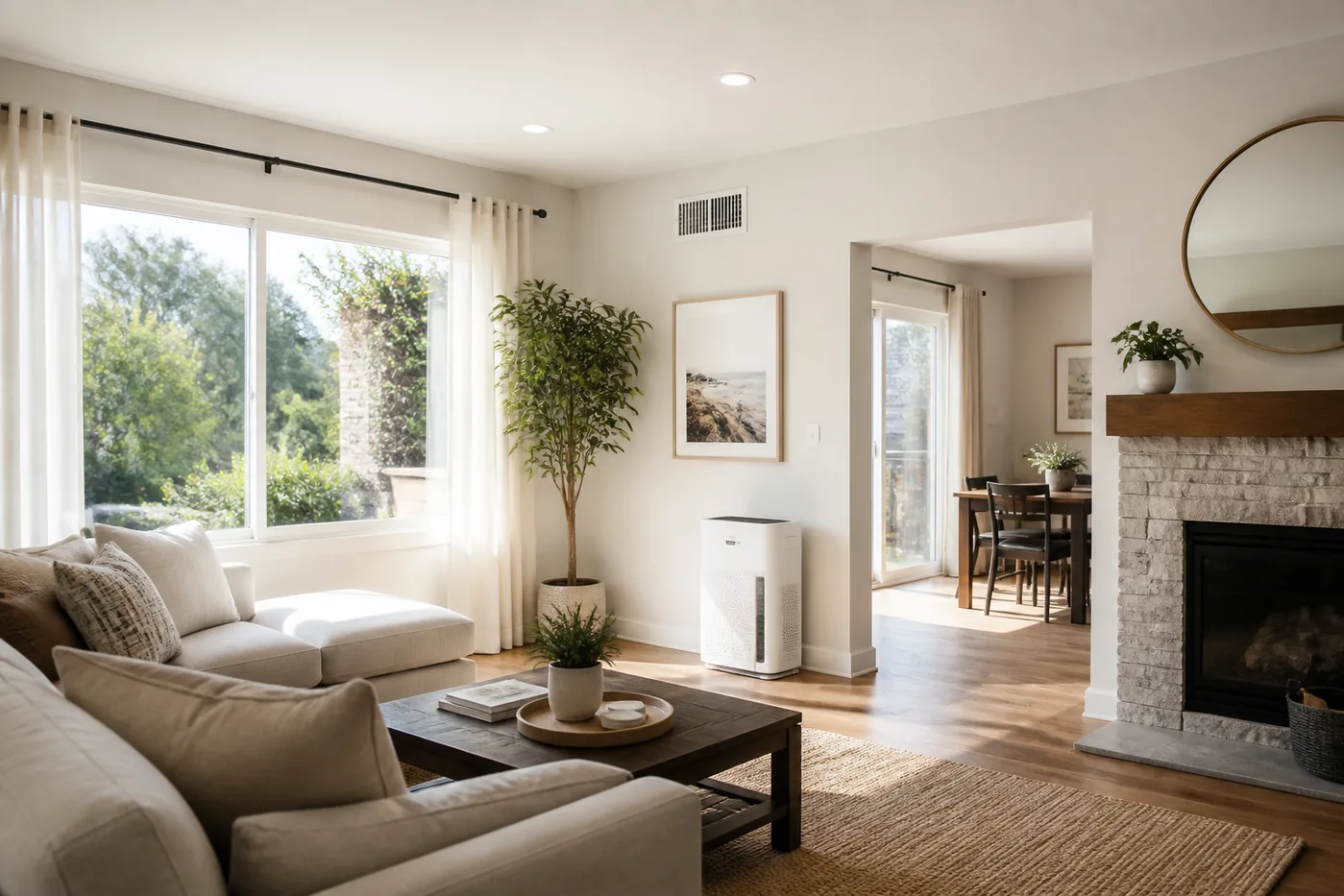
Learning how to improve air quality in your home starts with a simple truth: indoor air is shaped by what gets released inside, what comes in from outdoors, and how well your HVAC system moves and filters that air. Dust, cooking fumes, pet dander, humidity, cleaning products, wildfire smoke, and a neglected filter can all affect home air quality. The good news is that most homes can make meaningful progress with a practical, layered plan rather than one expensive guess.
For homeowners in Modesto and the Central Valley, indoor air quality also changes with the season. Long cooling cycles, smoky outdoor air, pollen, and tightly closed windows can all make indoor air feel stale or irritating. The right approach is to reduce pollutants at the source, ventilate at smart times, improve filtration, manage moisture, and keep your HVAC equipment clean and maintained.
Quick Answer
To improve air quality in your home, start by removing or reducing pollutant sources, then support your home with better filtration, controlled ventilation, balanced humidity, regular cleaning, and professional HVAC maintenance. Use kitchen and bath exhaust fans, replace HVAC filters on schedule, consider a portable HEPA air purifier for high-use rooms, keep indoor humidity roughly in the 30% to 50% range when possible, and fix leaks quickly. If symptoms, odors, dust, mold concerns, or stale air keep returning, schedule an indoor air quality evaluation instead of relying on guesswork.
What Is Home Air Quality?
Home air quality describes how clean, comfortable, and healthy the air inside your living space is. It includes airborne particles like dust and pollen, gases and odors from combustion or household products, humidity levels, ventilation, and the condition of the HVAC system that circulates air through the home.
Good indoor air does not have to smell like a fragrance or feel artificially crisp. In fact, strong scents can be part of the problem for some households. A healthier home usually feels neutral: less dusty, less musty, less stuffy, and more consistent from room to room. It also has fewer recurring odor issues and fewer conditions that support mold growth.
Because every house is different, improving indoor air quality starts with identifying the biggest contributors in your space. Pets, moisture, wildfire smoke, heavy dust, and weak filtration each call for a slightly different plan.
How Can You Tell If Your Home Air Quality Is Bad?
You may suspect poor indoor air quality if your home often feels dusty, stale, musty, smoky, humid, or irritating even after normal cleaning. Common warning signs include persistent odors, visible dust buildup soon after cleaning, condensation on windows, frequent HVAC filter clogging, uneven airflow, moisture stains, or allergy-like discomfort that seems worse indoors. Symptoms can have many causes, so the pattern matters more than any single sign.
Pay attention to when problems appear. If the air feels worse when the HVAC system starts, the ductwork, filter, blower compartment, or return area may deserve attention. If odors show up after cooking, showering, cleaning, or using a fireplace, source control and ventilation may be the priority. If one room feels stuffy while the rest of the house feels fine, airflow and room-by-room ventilation may be part of the issue.
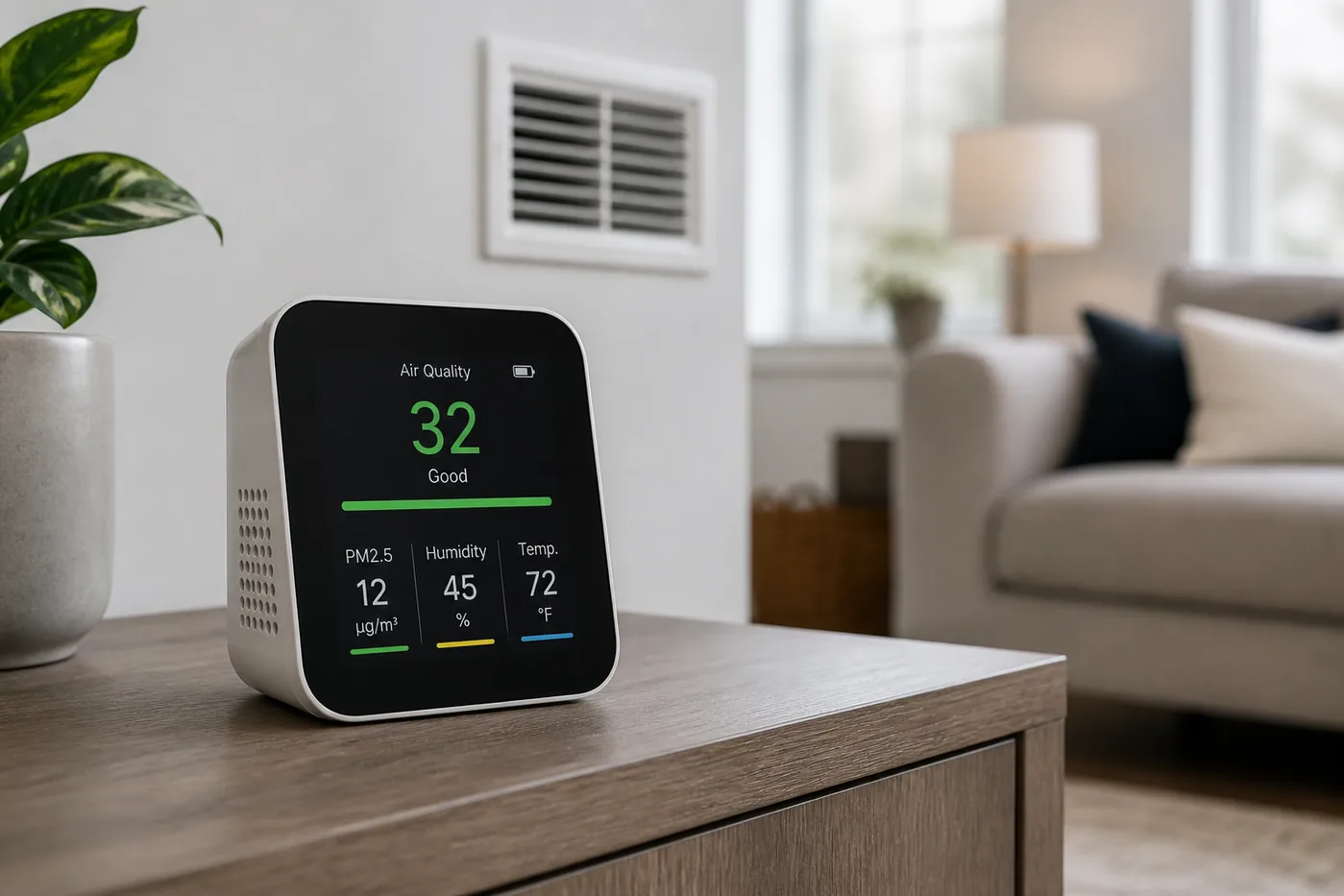
Indoor air quality monitors can also help you spot trends. Many consumer devices track particulate matter, humidity, carbon dioxide, or volatile organic compounds. These readings are not a full professional test, but they can show whether certain activities, rooms, or times of day are associated with worse air.
What Causes Poor Indoor Air Quality?
Poor indoor air quality is usually caused by a mix of indoor pollutant sources, weak ventilation, inadequate filtration, excess moisture, and inconsistent HVAC maintenance. Common sources include dust, pet dander, pollen, smoke, combustion appliances, candles, cleaning chemicals, building materials, mold growth, and particles brought in from outdoors. In many homes, the problem is not one dramatic issue. It is several smaller sources adding up.
Moisture is one of the most important causes to control because it can affect both comfort and cleanliness. Leaks, damp crawl spaces, poorly ventilated bathrooms, oversized cooling equipment, or clogged condensate drains can create conditions where musty odors and microbial growth become more likely. Humidity that stays too high can also make dust mites and allergens harder to manage.
Outdoor air matters, too. In the Central Valley, pollen, dust, ozone, wildfire smoke, and agricultural particles can influence the air that enters your house. Ventilation is helpful when outdoor air is clean, but during smoke events or high-pollen periods, filtration and keeping outdoor pollutants out may be more important.
How to Improve Air Quality in Your Home
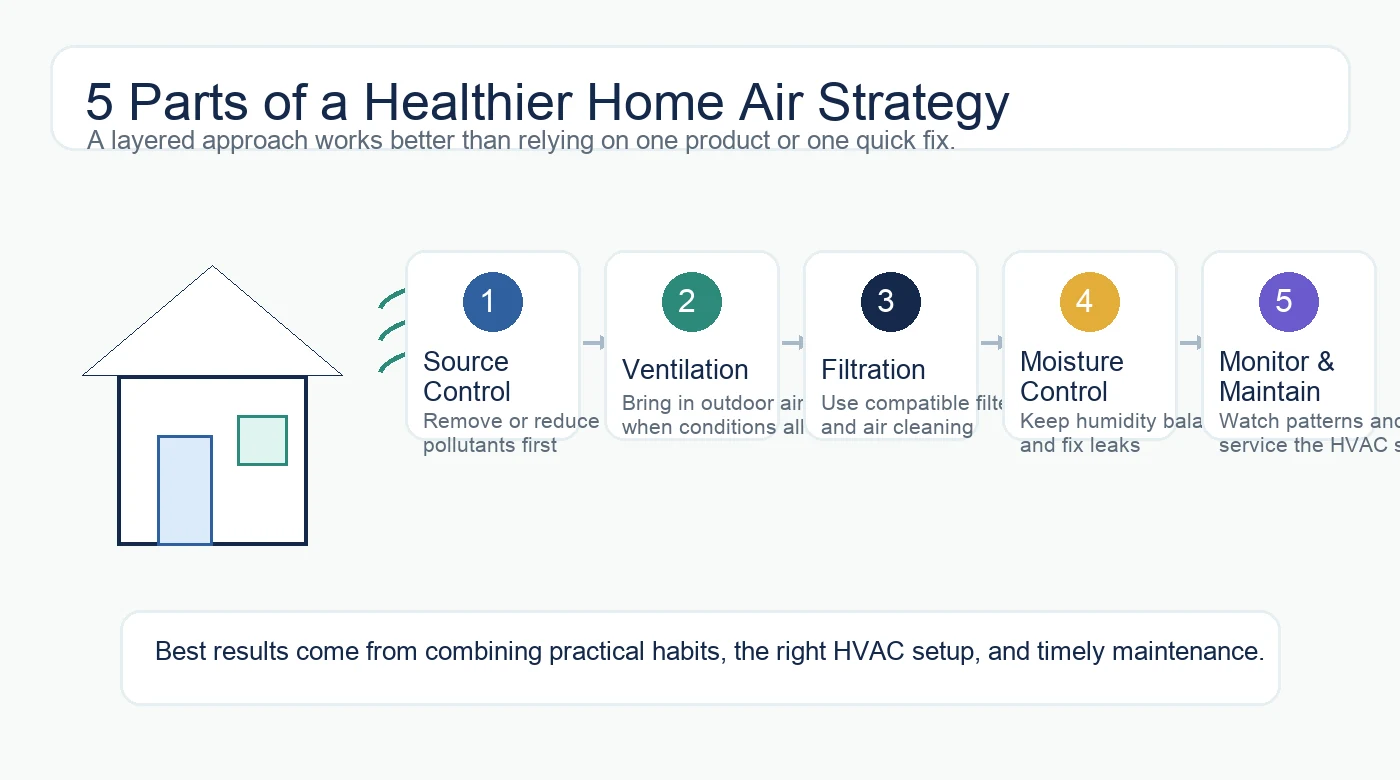
The most effective indoor air quality plan is layered. The EPA recommends reducing sources, improving ventilation, and using air cleaning or filtration as complementary strategies. For most homes, that means combining everyday habits with HVAC upgrades and routine service.
1. Start With Source Control
Source control means reducing the things that release pollutants into your home. This is usually the best first step because it prevents the HVAC system or an air purifier from having to work against avoidable problems. Store paints, solvents, pesticides, fuels, and strong chemicals away from living areas. Choose low-odor cleaning products when possible. Avoid smoking or vaping indoors. Use lids while cooking when practical, and run the kitchen exhaust fan when frying, searing, or using a gas range.
Remove shoes at the door to cut down on tracked-in dust and pollen. Vacuum with a well-sealed machine, clean high-touch surfaces, wash bedding regularly, and keep pet bedding clean.
2. Ventilate When Outdoor Air Is Clean
Fresh outdoor air can dilute indoor pollutants, but timing matters. On mild days with good outdoor air quality, opening windows for a short period can help reduce stale indoor air. Kitchen and bathroom exhaust fans are also essential because they remove moisture and pollutants right where they are produced.
During wildfire smoke, heavy pollen, dust storms, or poor outdoor air quality alerts, keep windows and doors closed as much as possible. In those conditions, improving filtration and sealing obvious air leaks may do more for comfort than opening the house.
3. Use the Right HVAC Filter
Your HVAC filter protects the equipment and can also reduce airborne particles when it is chosen and maintained correctly. Check the filter size and replace it on the schedule recommended for your home, pets, dust levels, and system use. A clogged filter can restrict airflow, increase strain on the system, and make comfort problems worse.
Higher-rated filters can capture smaller particles, but not every system is designed for a dense filter. Before jumping to the highest MERV rating on the shelf, make sure your equipment can handle it. If airflow is already weak, talk with a technician about compatible filtration options during HVAC maintenance.
4. Add Room or Whole-Home Air Cleaning Where It Helps
A portable HEPA air purifier can be helpful in bedrooms, home offices, nurseries, and other rooms where people spend a lot of time. Choose a unit sized for the room, keep doors and windows closed while it runs, and replace filters as directed. Air purifiers work best as part of a broader plan, not as a substitute for removing sources or fixing moisture issues.
Whole-home air cleaners can also be installed as part of an HVAC system. They may be a better fit when you want filtration support throughout the house instead of in one room. For more detail, read our guide: Do Air Purifiers Work?
5. Keep Humidity Under Control
Humidity has a direct impact on comfort and indoor air quality. Air that is too humid can make the home feel sticky and can support mold, mildew, and dust mites. Air that is too dry can irritate the nose, throat, and skin for some people. A good target for many homes is roughly 30% to 50% relative humidity when conditions allow, and humidity should generally stay below 60% to reduce moisture-related risk.
Use bathroom fans during showers and leave them running long enough to clear moisture. Fix plumbing leaks promptly and make sure the air conditioner is draining correctly. If certain rooms stay damp or musty, find and correct the moisture source.
6. Reduce Dust, Dander, and Allergens
Dust is not just dirt. It can contain skin flakes, fibers, pollen, pet dander, soil particles, and other irritants. A steady cleaning routine helps keep these materials from becoming airborne again and again. Use washable rugs or mats near entries, clean return grilles, wash bedding, and keep clutter from becoming a dust reservoir.
If allergies are a major concern in your household, the HVAC system should be part of the plan. Filter choice, duct condition, humidity, and maintenance all influence how allergens move through the home. Our related guide explains more: How Your HVAC System Can Help Manage Allergies.
7. Use Exhaust Fans Consistently
Kitchen and bathroom fans are easy to overlook, but they are one of the most practical indoor air quality tools in the house. The kitchen fan helps remove cooking particles, odors, and combustion byproducts. Bathroom fans remove moisture before it spreads to walls, ceilings, and nearby rooms.
If fans are noisy, weak, or venting into the attic instead of outdoors, they may need repair or replacement.
8. Maintain the HVAC System
Your heating and cooling system moves a large volume of air through the home. When the filter is dirty, the blower compartment is dusty, the evaporator coil is grimy, or ducts are leaking, air quality and comfort can both suffer. Routine maintenance gives a technician a chance to clean, inspect, and catch issues before they become larger problems.
Maintenance also helps confirm that airflow is balanced and that the system is not creating moisture problems. If some rooms are stuffy while others feel fine, the answer may involve airflow, duct leakage, return placement, or equipment performance.
9. Fix Water Leaks and Mold Conditions Quickly
Musty odors, stains, soft drywall, or repeated condensation should be taken seriously. Mold needs moisture to grow, so the real solution is to stop the water source and dry the affected material. Cleaning the visible surface without fixing the moisture problem often leads to the same odor or growth returning.
If you suspect a significant mold issue, avoid disturbing large areas yourself. A professional can help identify the source, determine whether remediation is needed, and protect the rest of the house during cleanup.
10. Make a Plan for Wildfire Smoke and Outdoor Pollution
Outdoor smoke can enter through windows, doors, gaps, ducts, and normal air leakage. During smoke events, keep the home closed, use recirculating HVAC operation when appropriate, run compatible filtration, and use portable HEPA units in key rooms. Avoid activities that add more particles indoors, such as burning candles, frying food, or vacuuming with a poor filter.
After the smoke clears, inspect and replace filters as needed. A filter that loaded up during a smoke event may need attention sooner than usual.
How to Test the Air Quality in Your Home
Testing home air quality starts with matching the test to the concern. A consumer indoor air quality monitor can help you track particulate matter, humidity, temperature, carbon dioxide, or general VOC trends. These devices are useful for patterns, such as whether cooking spikes particles or whether a bedroom gets stuffy overnight.
Some concerns need dedicated testing. Every home should have working carbon monoxide alarms, especially if it has fuel-burning appliances, an attached garage, or a fireplace. Radon testing is a separate process and is worth considering because radon cannot be seen or smelled. If you suspect asbestos, lead, or significant mold contamination, use qualified testing and remediation professionals instead of disturbing materials on your own.
An HVAC and indoor air quality service visit can also identify mechanical contributors. A technician can inspect filtration, returns, duct leakage, coil cleanliness, condensate drainage, humidity issues, and ventilation. That type of inspection is especially helpful when readings are inconsistent, odors keep returning, or one part of the home feels much worse than another.
How Can I Purify My Room Air Naturally?
You can improve a room naturally by reducing pollutant sources, dusting and vacuuming regularly, washing bedding, controlling humidity, using exhaust fans, opening windows only when outdoor air is clean, and avoiding products that add smoke, fragrance, or strong chemical odors. These steps can make a noticeable difference, especially in bedrooms and other high-use rooms.
Houseplants can make a room feel fresher and more pleasant, but they should not be treated as a serious air purification system for a lived-in home. If a room has ongoing dust, smoke, pet dander, or allergy concerns, a correctly sized HEPA air purifier and a well-maintained HVAC system will usually do more than plants alone.
For bedrooms, focus on the basics first: wash sheets and pillowcases weekly, keep pets off bedding if allergies are an issue, reduce clutter, use a compatible HVAC filter, and keep doors and windows closed during poor outdoor air days. If the room still feels stale, look at airflow and returns.
When to Call a Professional
Call a professional if you have persistent musty odors, repeated filter clogging, visible moisture damage, uneven room comfort, weak airflow, suspected duct leakage, recurring allergy triggers, or indoor air quality readings that do not improve after basic changes.
Professional help is not just about adding equipment. Sometimes the best solution is a better filter match, duct repair, coil cleaning, humidity correction, ventilation adjustment, or maintenance plan. The goal is to solve the reason your air quality is poor instead of masking the symptom.
Get Help Improving Your Home’s Air Quality
Derek Sawyer’s Cooling, Heating & Plumbing helps Modesto-area homeowners make practical improvements to indoor comfort and air quality. Whether you need better filtration, HVAC maintenance, humidity guidance, duct inspection, or indoor air quality options, our team can help you find the right next step for your home.
Schedule service through our indoor air quality services page or contact Derek Sawyer’s to talk with a local team that understands Central Valley homes.